October 22, 2026
Introduction to the Hot Dip Galvanizing Process
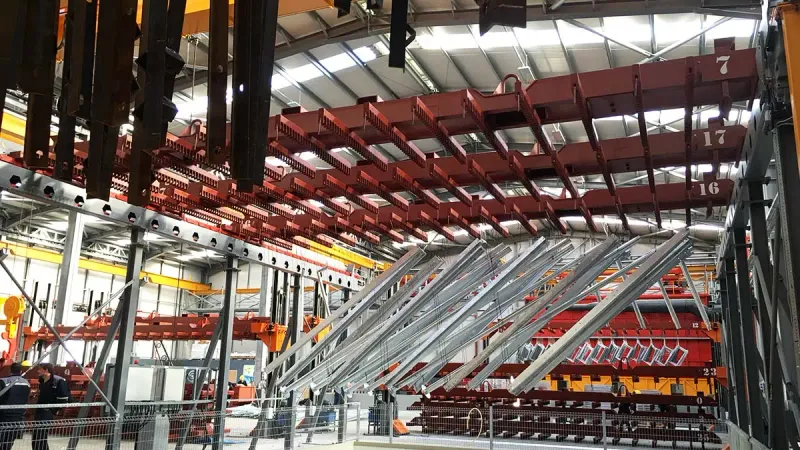
Hot-dip galvanizing is the process of coating iron and steel with zinc. When the steel is immersed in a bath of molten zinc at around 449 °C (840 °F), the zinc alloys with the surface of the base metal and forms a metallurgical bond made up of a series of distinct iron-zinc alloy layers. The resulting coated steel can be used in much the same way as uncoated steel.
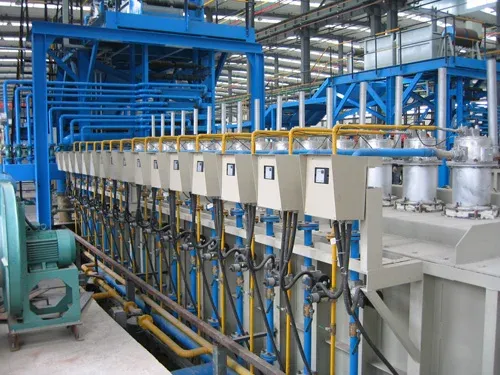
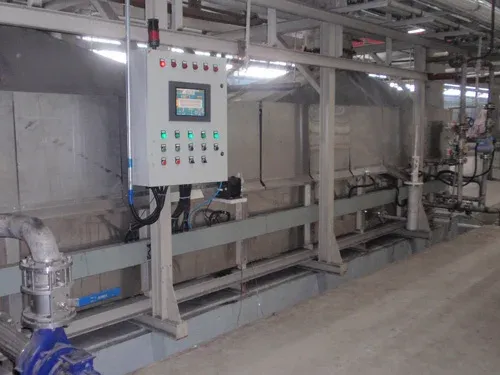
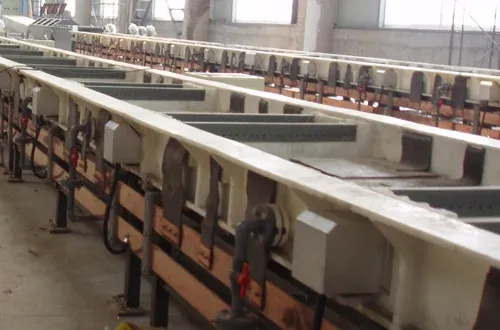
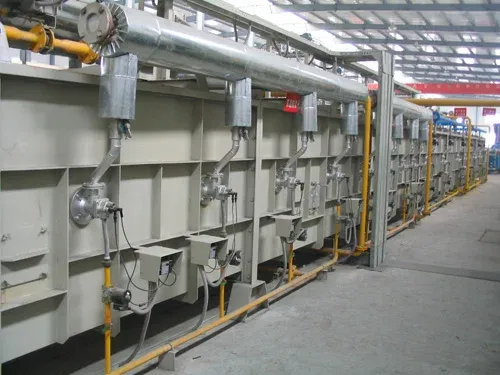
Zinc is the coating material, not the base material. It occurs naturally (as compounds) in air, water, and soil, and it is abundant, economical, and fully recyclable. Because the zinc coating sacrifices itself to protect the steel beneath, hot-dip galvanizing is long-lasting, durable, and low-maintenance — protection can last up to 40 years or more under normal atmospheric conditions. Hot-dip galvanizing lines are designed to make the most of this process, and plant layout is planned around the site, the project scope, and the products to be galvanized.
The main steps of the hot-dip galvanizing process are briefly explained below.
1. Oil Removal (Degreasing)
The steel is first immersed in an acid degreasing bath or a caustic solution to remove organic contaminants such as dirt, oil, and grease from the surface. After degreasing, the steel is rinsed with water.
2. Surface Cleaning with Acid Treatment (Pickling)
The steel is then pickled in a dilute solution of either hydrochloric or sulfuric acid to remove rust, scale, and other oxides. After pickling, the steel is rinsed again in clean water. Thorough rinsing is important so that no acid or salt residues are carried into the next stage.
3. Fluxing
A flux — usually zinc ammonium chloride — is applied to the steel to inhibit oxidation of the freshly cleaned surface on exposure to air. The flux is allowed to dry on the steel and helps the molten zinc wet and adhere to the steel.
4. Drying
The steel must be completely dry before it enters the zinc bath. Any moisture carried into the molten zinc causes violent splashing (and, in extreme cases, an explosion), so drying is a critical safety and quality step, not merely a process convenience.
5. Hot-Dip Galvanizing (Zinc Immersion)
The dried steel is immersed in a bath of molten zinc at around 449 °C (840 °F). The zinc reacts with the iron in the steel to form a series of iron-zinc alloy layers, creating a metallurgical bond between the coating and the base metal. The immersion time and the withdrawal speed control the coating thickness.
6. Cooling
The galvanized product is cooled in air or by immersion in a water bath, depending on the part and the required finish.
7. Passivation
A protective layer is formed on the zinc surface to improve corrosion protection and reduce the risk of white rust during storage and transport.
8. Inspection and Finishing
The finished parts are inspected for coating thickness, appearance, and surface defects. Burrs and zinc deposits are removed, and the products are sorted and packed according to size and order requirements.